Fear in Frame
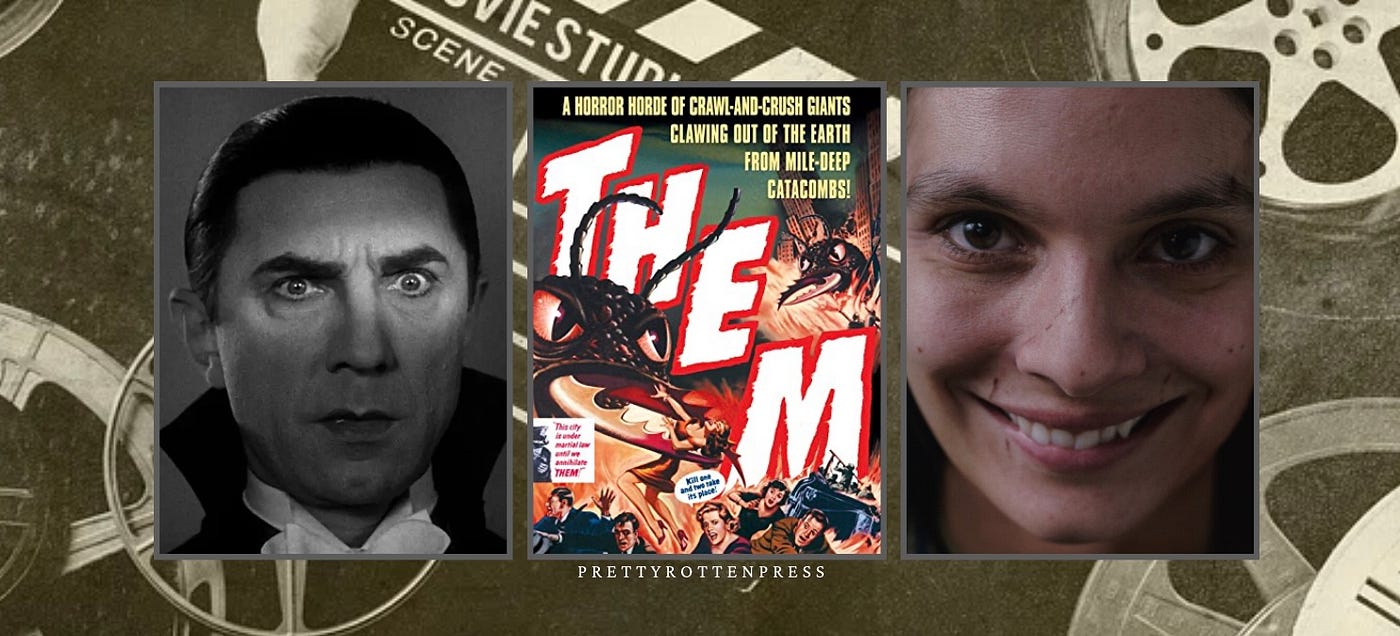
Cinematic horror has taken up our screens for decades, and let’s be honest, the general look has never been static. We’ve seen everything from moody fog-drenched scenes in Le Manoir Du Diable (1896) to literal YouTube spread demons — we’re looking at you and your uncanny, algorithm-fed unease, Smile (2024). Horror movies aren’t just about what scares us. They’re about how that fear is styled, framed, and felt. So, consider this your Gory Eras Tour into what exactly has changed and when.
1920s-1940s: GOTHIC PRESTIGE AND STUDIO CONTROL
While early horror flickered into existence long before, the 1920s marked the genre’s true emergence into the mainstream. This era was defined by gothic prestige, a carefully curated aesthetic of shadow, spectacle, and theatricality.
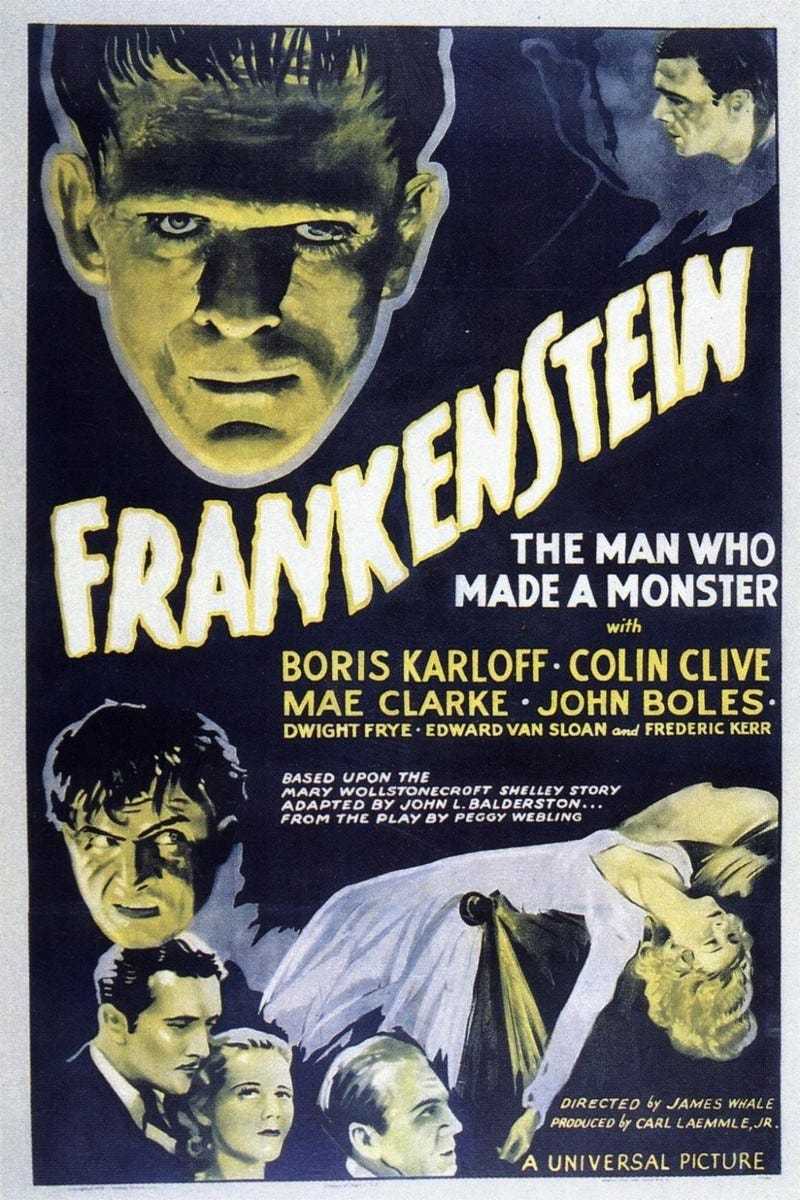
Visually, horror was composed and intentional and less about shock, but more about suspense. Even beyond the screen, this aesthetic held firm. Lavish lobby cards and press materials mirrored the same gothic sensibility, positioning horror not as something grotesque, but as something elevated. Fear, at this point, was something to be admired.
1950s-1980s: GRIT, SHOCK TACTICS AND CONTROVERSY
Oh, what a time in the cinematic universe. Buckle up, this is where everything changed. And I mean everything.
Post WW2 and the Red Scare, censorship laws loosened, and audience tastes shifted; studios began courting controversy. They became much more “mirror-like” to our personal fears, for instance, Godzilla (1954), and Them! (1954) harnessed the paranoia surrounding the unknown effects people had towards the atomic age; along with this, insulting many communists, Invasion of the Body Snatchers (1956) hit the screens. All of this was extremely messy visually and politically, which officially began the controversy movement within the genre. Film studios dropped romantic velvet and carefully placed shadows, instead replacing them with violent undertones and politics.
Contributing to the ‘real-world’ fear dynamic and a wish to shock viewers, titles like The Texas Chainsaw Massacre (1974) were marketed as too disturbing to handle, often getting banned in countries, only increasing public interest. Inspired by the infamous household name Ed Gein, it created sensational headlines, religious protests, and outrage. The more people panicked, the more tickets were sold.
Naturally, the way these films were presented leaned into that same discomfort, and their marketers weren’t afraid to press all the buttons. They weren’t sold as elegant or artistic; they were sold as dangerous. Too disturbing. Too real. Too much. And that was exactly the point.
In addition to the horror genre becoming more explicit and blood-filled, it also took a huge step by exploring sexuality. In Halloween (1978), the themes of promiscuous individuals “earning” their downfall are heavy, whilst Laurie Strode, our pure leading lady, manages to just about escape. Underlining message: sex = falling prey.
To put it plainly, if these movies were not causing people to argue, throw up, or all around make others uncomfortable, they were not doing their job.
Unlike the previous era, this was not an exclusive, luxurious club people scrambled to be part of; instead, it was just for the freaks and geeks (shoutout to those of us who are still here decades later).
1990s-2000s: A NEW LEVEL OF SELF-AWARENESS AND MINIMALIST FEAR
Production companies started marketing specifically to horror fans, and not just to the public. After all the bloodshed and countless headlines of the previous era, horror wanted to solidify its fandom and shift into something cleaner and more controlled.
Scream (1996) marked a turning point, blending polished visuals with a knowing, almost playful tone. Horror wasn’t just scaring audiences anymore; it was winking at them. Trailers and posters teased lines like “There are certain rules to survive a horror movie”, inviting audiences in on the joke, and thus, birthing cult classics. Maybe it was not the scariest, but it is certainly the cheekiest.
At the same time, another, quieter revolution was taking place.
With horror cinema being mainstream for over half a century, one-size no longer fits all, leading to our much beloved sub-genres, and aesthetically speaking, none other than The Blair Witch Project (1999) can call itself the champion here. This movie sparked the start of found footage films and horror minimalism. Unlike before, when we would see in extreme detail everything going on, studios honed in on the fear of the unknown in a whole new way; we couldn’t bloody see a thing.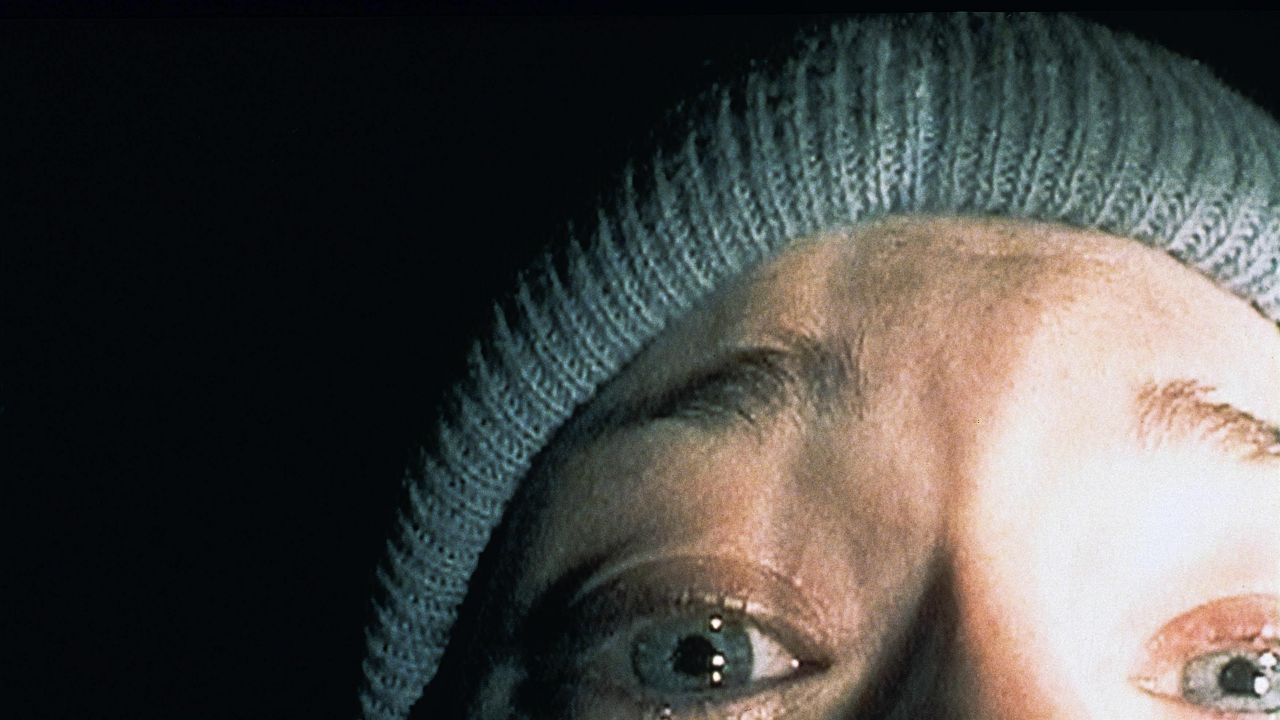
2010s-PRESENT: GORY INFLUENCERS
Horror today does not live in one place. Is defined by interactivity and virality. The industry is no longer just a few press releases; it’s a performance- and the aesthetic of newer horror movies extends beyond the film itself.
Skinamarink (2022), for example. Its lo-fi visuals, static shots and liminal, almost childlish perspective create an experience that’s less like a film and more like a memory you’re not sure is yours. It became a viral hit after an early festival screening was accidentally leaked online. Instead of killing the buzz, the studio embraced the grassroots hype, releasing the film with minimal explanation. Memes, TikTok reaction videos, and debates over its meaning exploded, proving that in modern horror, mystery is marketing.
In this era, the horror doesn’t end when the credits roll. It lingers in our phones. The aesthetic becomes participatory.
Even long-running franchises understand this shift. The continued buzz around the Saw universe (particularly speculation surrounding potential future instalments) shows how horror now exists as an ongoing, interactive experience. Characters like Billy the Puppet don’t just belong to the films anymore; they exist within internet culture, circulating through memes and digital spaces as part of the horror aesthetic itself. Who would’ve thought we would see a time where Billy the Puppet has an active, ongoing LinkedIn profile?!
M3GAN/Instagram/HonourableMention
Final Girl Thoughts
So… why does this matter? From gothic shadows to glitchy TikTok loops, horror has never just been about fear — it’s about how fear is styled, shared, and seen. And as long as our anxieties evolve, horror’s aesthetic will keep mutating right alongside them… beautifully, grotesquely, and always just a little bit too close to home.

Comments
Post a Comment